1 in 2 women experience pelvic organ prolapse. The right management and support can make all the difference.
What Is Pelvic Organ Prolapse?
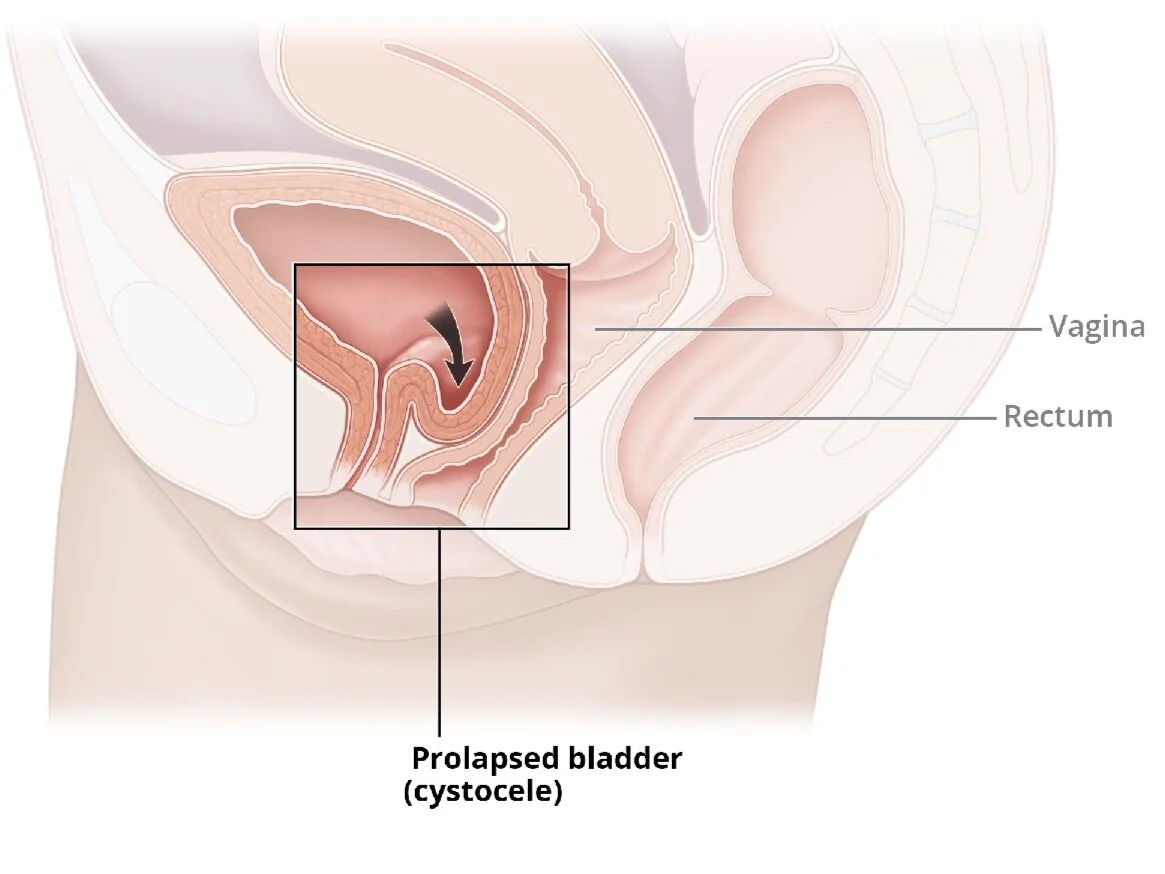
The pelvic organs consist of
the bladder
the uterus
the bowel
They are held in position by the pelvic floor muscles as well as the connective tissue inside the pelvis.
If these structures are weakened or stretched, 1 or more of the pelvic organs can descend and press into the vaginal walls - this is called prolapse.
What does it feel like?
Symptoms can range from mild to more severe.
Even if your symptoms are mild, or your GP has told you that you have a ‘minor’ prolapse, early intervention can prevent worsening over time
Common symptoms include
vaginal heaviness or dragging sensation
incomplete bladder or bowel emptying
frequent UTIs
slow urine stream
sensation of a bulge in the vagina
How can Physiotherapy help?
Physiotherapy can:
screen for risk of prolapse in order to implement prevention strategies
prescribe tailored pelvic floor muscle training
fit a pessary to manage prolapse
optimise bladder and bowel behaviour